The atomizing disc is a key component of the atomizer. It disperses liquid into fine mist droplets/aerosols through high-frequency vibration and has long been integrated into various fields such as medical, industrial, agricultural, and consumer applications—including humidifiers, aroma diffusers, facial steamers, medical nebulizers, ventilator humidifiers, food processing sprayers, PCB insulating varnish sprayers, automotive anti-rust spraying equipment, and more—serving as an essential element for realizing the core functions of numerous products.
A Tiny Difference in Blind Hole Size
A Huge Gap in Atomizing Effect
Different products across industries require different atomization performance indicators. The blind holes of the atomizing disc are a critical parameter determining atomization performance, influencing the atomizer's atomization rate, atomization volume, clogging rate, and consistency.
Atomization Rate & Atomization Volume
- Pore Diameter
The size of the pore diameter directly affects the liquid flow efficiency. In the medical field, to achieve inhalable droplets of 2–5 μm, the pore diameter needs to be controlled within approximately 20–30 μm. If the diameter is too small, the atomization rate decreases, and intermittent misting may even occur, resulting in poor therapeutic outcomes. If the diameter is too large, droplet size increases, preventing medication from reaching deep into the lungs and significantly reducing treatment efficacy. In industrial spraying applications, a pore diameter of 40–60 μm can achieve an atomization volume of 200–500 mL per hour, meeting the demands of large-area coating while ensuring uniform coverage of the workpiece surface and avoiding defects such as missed spots or sagging.
- Blind Hole Depth
The blind hole depth determines the transmission efficiency of ultrasonic vibration energy. Generally, when the blind hole depth ranges from 10–50 μm, energy transmission efficiency is highest. If the depth is too shallow, the liquid stored in the blind hole is insufficient, leading to a significant reduction in atomization volume and unstable mist output. If the depth is too deep, energy is absorbed by the material at the hole bottom, not only slowing the atomization rate but also potentially causing liquid to remain in the hole for too long, leading to dry burning.
Clogging Rate & Consistency
- Pore Diameter
Pore diameter is a key factor determining the clogging rate. When the pore diameter is < 30 μm and the ratio of pore diameter to impurity particle diameter drops below 3, the clogging rate can surge from 3% to over 15%.

- Blind Hole Depth
The consistency of blind hole depth directly determines the uniformity of the atomization effect. If the depth variation of blind holes on the same atomizing disc exceeds 3 μm, the transmission difference of atomization energy among different holes exceeds 15%. For household humidifiers, this leads to poor humidification; for industrial coating, it causes uneven surface thickness on workpieces; for medical nebulizers, it results in inconsistent medication doses inhaled by patients.
Accurately Measuring Blind Holes
The Essential Path to Optimizing Atomizing Discs
Accurate measurement of blind hole dimensions on atomizing discs is crucial for closing the loop from "design specifications → production consistency → performance compliance."
- Ensuring Product Performance, Reducing Errors
In the medical industry, deviations in blind hole size can directly affect treatment efficacy. In the industrial sector, pore diameter deviations can lead to uneven photoresist coating thickness, directly reducing chip yield rates.
- Supporting R&D, Providing Data Backing
As atomization technology expands into new energy, biomedicine, and other fields, requirements for blind hole dimensions are becoming increasingly stringent. Accurate dimensional measurement data helps R&D teams optimize blind hole design, accelerate product iteration, and drive technological breakthroughs.
- Improving Production Efficiency, Reducing Costs
Through precise sampling measurements, dimensional deviations can be detected promptly during production, allowing for adjustments in machining parameters. This can reduce the defect rate from 10% to below 1%, significantly lowering rework costs and enhancing production efficiency.
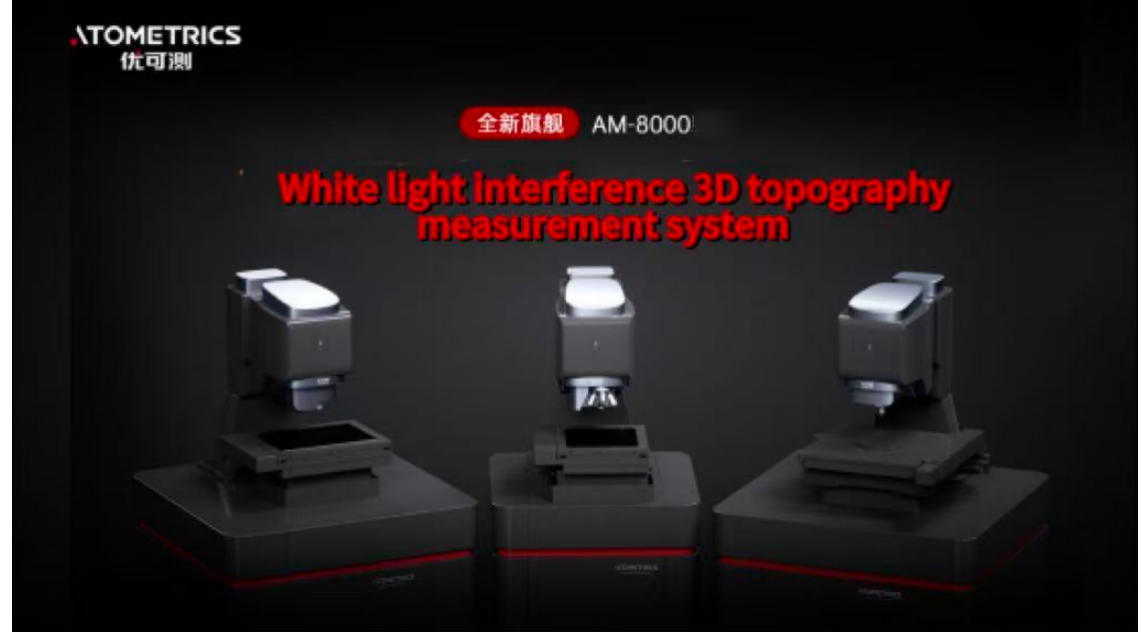
Atometrics White Light Interferometer
Measuring Blind Hole Dimensions with Sub-Nanometer Precision
To meet a client’s demand for measuring blind holes on atomizing discs, Atometrics’s White Light Interferometer provides a solution with sub-nanometer accuracy, completing a scan of a single atomizing disc in 3 seconds (50x single field of view):
Using a 3D surface roughness analyzer to measure the pore diameter and depth of atomizing disc blind holes:
Measuring the number and consistency of atomizing disc blind holes:
Want to Learn More About Inspection Cases,
Atometrics engineers will prioritize providing you with the best inspection solution!

Boardstone lntelligent(Shenzhen)Co.,Ltd.
6F Building C Kaifa Plaza,7006 Caitian Rd.,Futian Dist,Shenzhen
Hotline:400 080 3885
Sales@atometrics.com.cn
WhatsApp: +86 13316897904